
hot flashes sleep hidden neurological connection

Hot Flashes and Sleep: The Hidden Neurological Connection
Why hot flashes wake you at night and what actually helps. Practical tools you can use tonight and options to discuss with your clinician.
If you wake at 2 or 3 AM soaked and wired, you are not imagining how hard it is to fall back asleep. A vasomotor event can raise arousal, shift your body temperature, and nudge your brain out of stable sleep. Cooling the room helps but it is only one part of the solution. The most reliable improvements come from targeting both temperature control and the alerting systems that keep you awake.

Why hot flashes wake you at night
During a vasomotor episode your skin blood flow increases and you may sweat. More important for sleep, the sympathetic nervous system becomes active. That activation raises heart rate and makes your brain more alert. Once alert, your mind is more likely to latch on to worries, which extends wake time even after heat settles down.
Light sleep stages are fragile. If a vasomotor event arrives while you are in lighter sleep, a small nudge can trigger a full awakening. That is why brief heat can lead to long wake periods.
Back to top ↑What changes in the brain
Thermoregulation and sleep share control centers in the hypothalamus. Hormonal change can alter signaling in these networks, narrowing the comfort zone for temperature and making arousal more likely at night. Signals from temperature sensors in the body feed into these same regions, so a single event can influence both temperature and sleep continuity.
Stress systems add to the story. When hot flashes feel frequent or unpredictable, anticipatory anxiety can build. That expectation alone can raise arousal before bed and in the early morning hours, which are naturally more vulnerable for awakenings.
Back to top ↑How sleep stages get disrupted
Vasomotor events can increase micro arousals and fragment both non REM and REM sleep. In some people REM is especially sensitive. The result is more stage shifts and less continuous deep rest even if total sleep time seems similar.
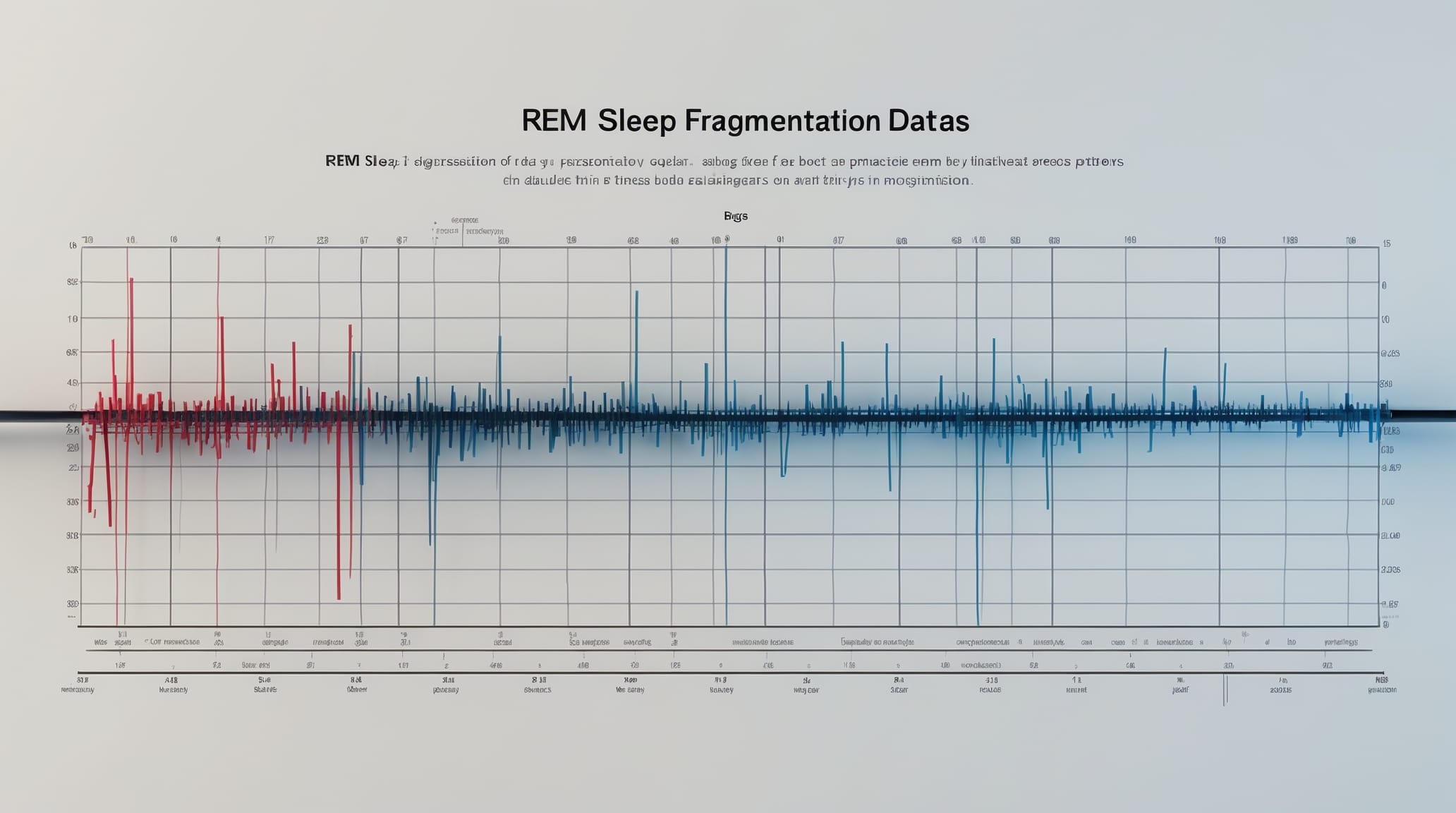
After a disrupted night you may notice more fatigue, mood variability, and lower stress tolerance the next day. Addressing fragmentation is the target, not only removing the sensation of heat.
Back to top ↑What actually helps tonight
- Breath downshift: inhale 4, hold 2, exhale 8. Repeat 4 cycles. Slow exhale lowers arousal.
- Cooling contact: cool cloth at wrists or neck, gentle airflow, breathable bedding.
- Pressure reset: brief self hug or push palms into a wall for 30 seconds, then release tension.
Strengthen circadian cues
Keep a steady sleep window, get morning light, and dim screens at night. A consistent routine reduces the chance that small temperature shifts will fully wake you.
Optimize the room
Keep the bedroom slightly cool with light layers. Use moisture wicking sheets and a light blanket so you can adjust quickly without fully waking.
Manage the mental loop
Keep a notepad by the bed. If worries appear, write them down and pick a time tomorrow to review. This externalizes the loop and reduces arousal.
Back to top ↑Options to discuss with your clinician
For eligible women, hormone therapy can be the most effective solution for vasomotor symptoms. Nonhormonal options exist for those who prefer them or cannot use hormones. These include certain SSRIs or SNRIs, gabapentin, and an NK3 receptor antagonist such as fezolinetant. Choice depends on your health history and a shared decision process.
- Discuss timing if night symptoms dominate. Some options taken in the evening may target nocturnal events.
- Review interactions with other medications. Confirm a plan to reassess benefit and tolerability after a trial period.
- Combine with behavioral tools so you reduce arousal even on nights without medication.
Lifestyle stack for steadier nights
Morning
- Get outdoor light within 60 minutes of waking. This anchors circadian timing and can lower night awakenings over time.
- Move your body. Even a short walk improves temperature regulation and mood across the day.
Afternoon
- Hydrate and keep caffeine moderate, especially after noon.
- Plan stress off ramps such as a 3 minute breathing practice before evening.
Evening
- Eat a balanced meal a few hours before bed and avoid heavy alcohol, which raises body temperature and fragments sleep.
- Set your room cool and keep light low. Prepare your cooling cloth and notebook in advance.
When you wake at night
- Perform the breath downshift and cooling contact.
- Write one line to externalize the worry. Close the notebook and return to slow breathing.
References
- The North American Menopause Society. Nonhormone Therapy Position Statement, 2023. Summary available via PubMed.
- FDA. Information about therapies for vasomotor symptoms. See fda.gov for current updates and safety communications.
- Peer reviewed studies that link objectively measured vasomotor events with sleep fragmentation. Open summaries available on the National Library of Medicine portal.
This article is educational and does not replace medical advice. Always discuss treatment options with your clinician.
Frequently asked questions
How do I stop hot flashes from waking me up at night
Q: What can I do right now that makes a difference
A: Use a short breath downshift, keep airflow gentle, and adjust layers fast. Keep a consistent bedtime and morning light routine. If awakenings are frequent, discuss hormone therapy if eligible or a nonhormonal option such as an SSRI or SNRI, gabapentin, or fezolinetant with your clinician.
Why do mild hot flashes cause long wake periods
Q: The heat feels small but I am awake for an hour. Why
A: A vasomotor event can trigger sympathetic arousal and a sleep stage shift. Once alert, worry can extend wake time. The goal is to lower arousal quickly and avoid the mental loop.
Best nonhormonal treatment for night sweats based on guidance
Q: What should I ask my doctor about if I cannot use hormones
A: Discuss certain SSRIs or SNRIs, gabapentin, and fezolinetant. Review benefits and risks and decide together what to try first.
What bedroom temperature helps menopausal insomnia
Q: What room conditions are best
A: Aim for a slightly cool room with breathable bedding and light layers you can adjust quickly. Consistency across nights matters more than extreme cold.